
Why
The Planetary Crisis
Earth is undergoing a profound unraveling of its planetary health. According to Planetary Health Check, our planet is now in the “high-risk” zone, with seven of nine planetary boundaries already crossed — including ocean acidity.
The goal of limiting temperature rise to 1.5°C above pre-industrial levels is slipping beyond reach, especially as major powers defund the very efforts needed to sustain life.
Declining planetary health comes at immense ecological, economic, and human cost. We are losing species at alarming rates — with 1 in 3 species projected to be lost by 2070. Hundreds of millions of acres of fertile land degrade each year, destabilizing livelihoods and economies worldwide.
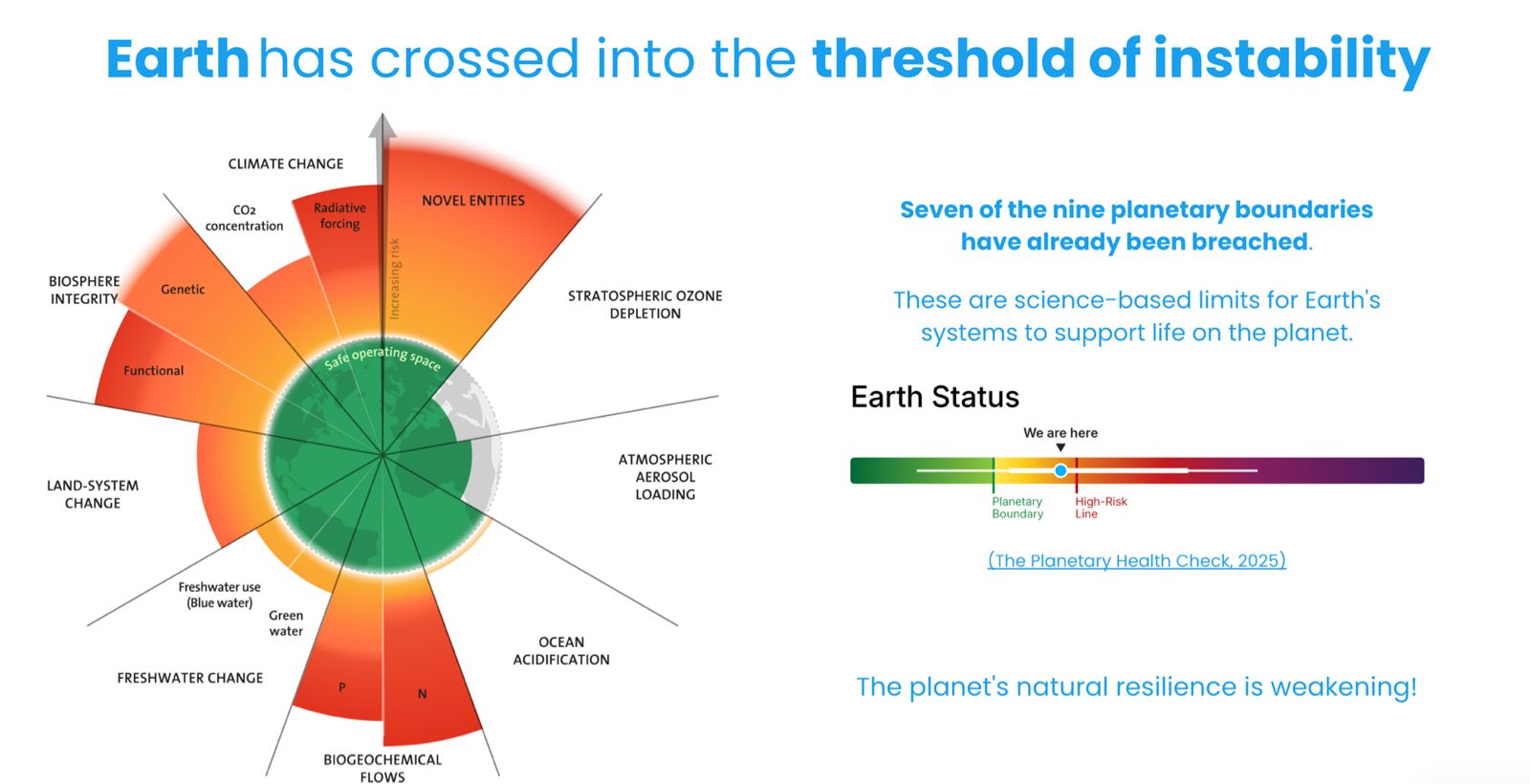
Image courtesy Planetary Health Check
Image courtesy Planetary Health Check
The Planetary Crisis
Earth is undergoing a profound unraveling of its planetary health. According to Planetary Health Check, our planet is now in the “high-risk” zone, with seven of nine planetary boundaries already crossed — including ocean acidity.
The goal of limiting temperature rise to 1.5°C above pre-industrial levels is slipping beyond reach, especially as major powers defund the very efforts needed to sustain life.
Declining planetary health comes at immense ecological, economic, and human cost. We are losing species at alarming rates — with 1 in 3 species projected to be lost by 2070. Hundreds of millions of acres of fertile land degrade each year, destabilizing livelihoods and economies worldwide.
Yet even amid unprecedented decline, nature remains one of our strongest allies. Forests, wetlands, mangroves, and coral reefs absorb carbon, protect shorelines, sustain livelihoods, and restore ecosystems. Nature can deliver up to one-third of the greenhouse gas reductions needed by 2030.
The question is no longer whether the planet is changing, but how we respond — how we reduce harm, adapt wisely, and reimagine our relationship with Earth.
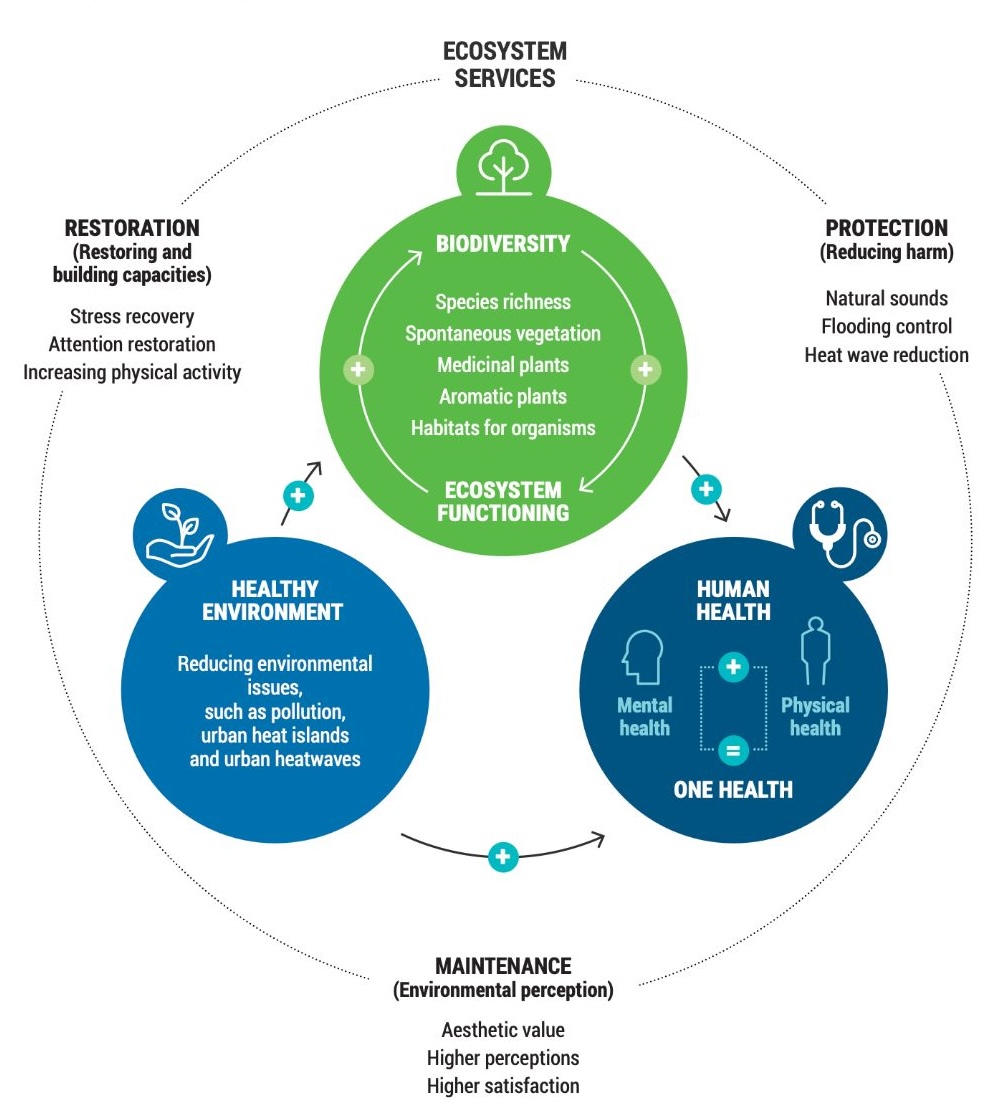
Nature sustains our wellbeing as well. Research from the University of Derby shows a 60% decline in human connection to nature since 1800: an “extinction of experience.” Other studies show that even brief encounters with birdsong significantly improve mental health and wellbeing.
But planetary decline does not affect everyone equally.
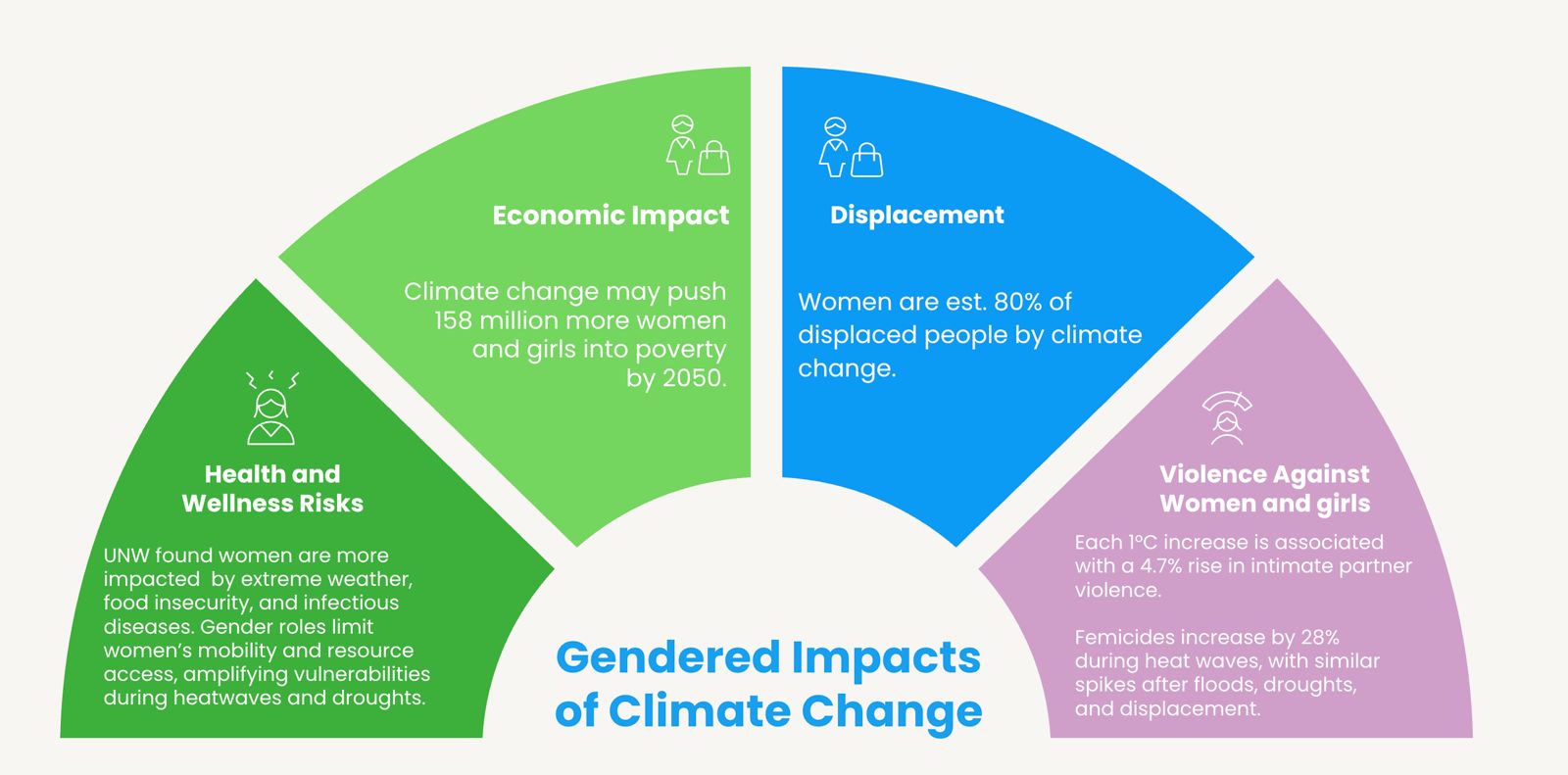
The Impact on Women
As in all crises, women and children — who make up 70% of the world’s most vulnerable — bear the greatest burden. They face increased violence, forced migration, poverty, and loss of education.
That is the dominant picture: one that leads with the negative impact of planetary decline on women.
But women are not passive victims.
Across cultures and sectors, women sustain families, reinvest up to 90% of their income in their communities, and influence stronger environmental policies in business and government. When women lead, ripple effects follow.
Around the world, women scientists, conservationists, Indigenous leaders, seed keepers, and activists are already protecting ecosystems, strengthening local economies, and restoring relationships with nature. Their work is anchored not only in environmental protection, but in social and economic wellbeing.
When Women Lead
No response to a global crisis is complete without women’s leadership and wisdom.
From this understanding came the birth of Daughters for Earth. We set out to find women leaders dedicated to protecting the natural world, support them financially, trust their leadership, and measure their impact, not only on biodiversity, but on social, economic, and educational transformation.
The world has decades of evidence that women-led interventions transform societies. We simply turned that same lens toward the planetary crisis.
When Women Lead
No response to a global crisis is complete without women’s leadership and wisdom.
From this understanding came the birth of Daughters for Earth. We set out to find women leaders dedicated to protecting the natural world, support them financially, trust their leadership, and measure their impact, not only on biodiversity, but on social, economic, and educational transformation.
The world has decades of evidence that women-led interventions transform societies. We simply turned that same lens toward the planetary crisis.
Trusting Women’s Leadership Works
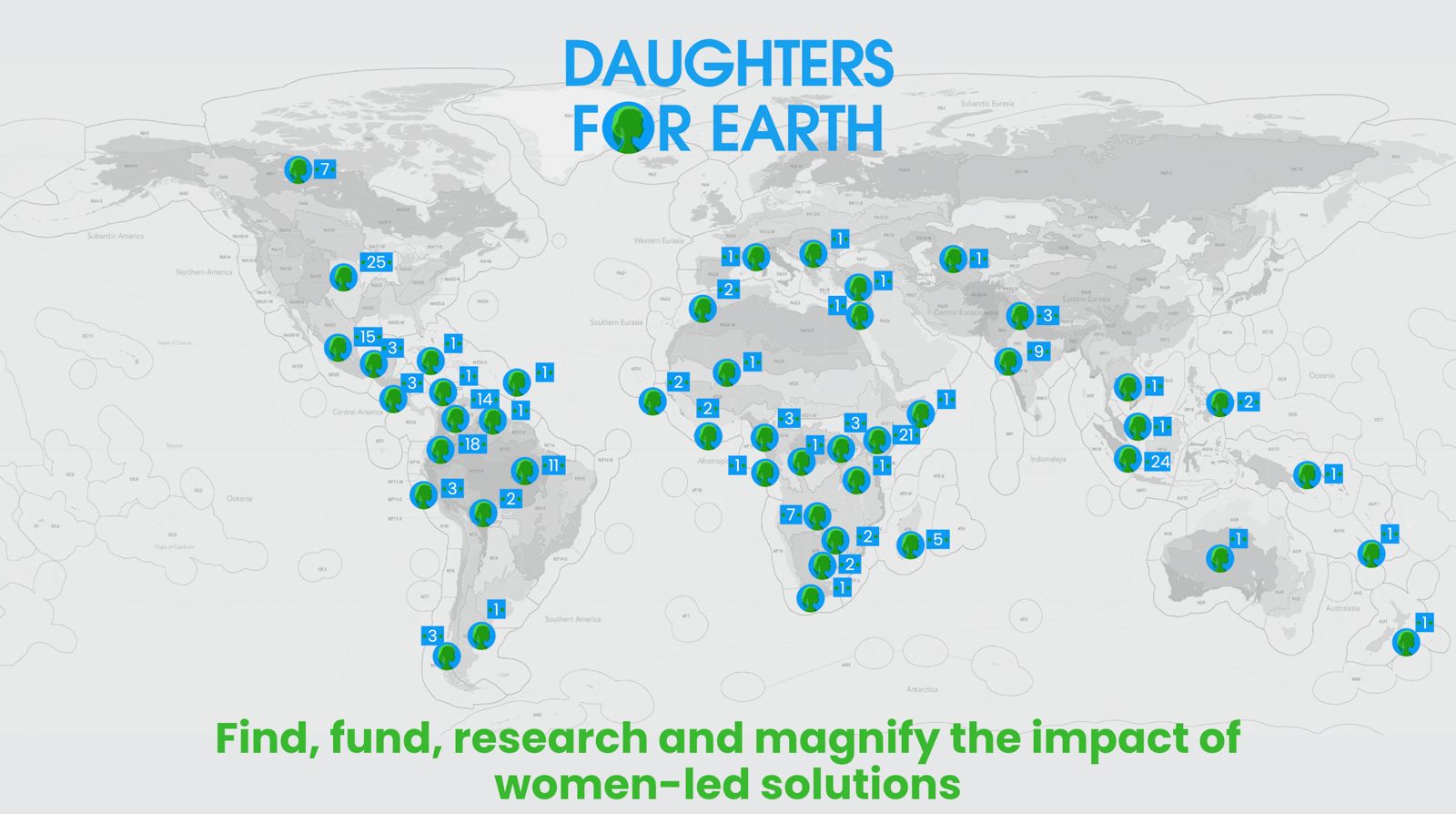
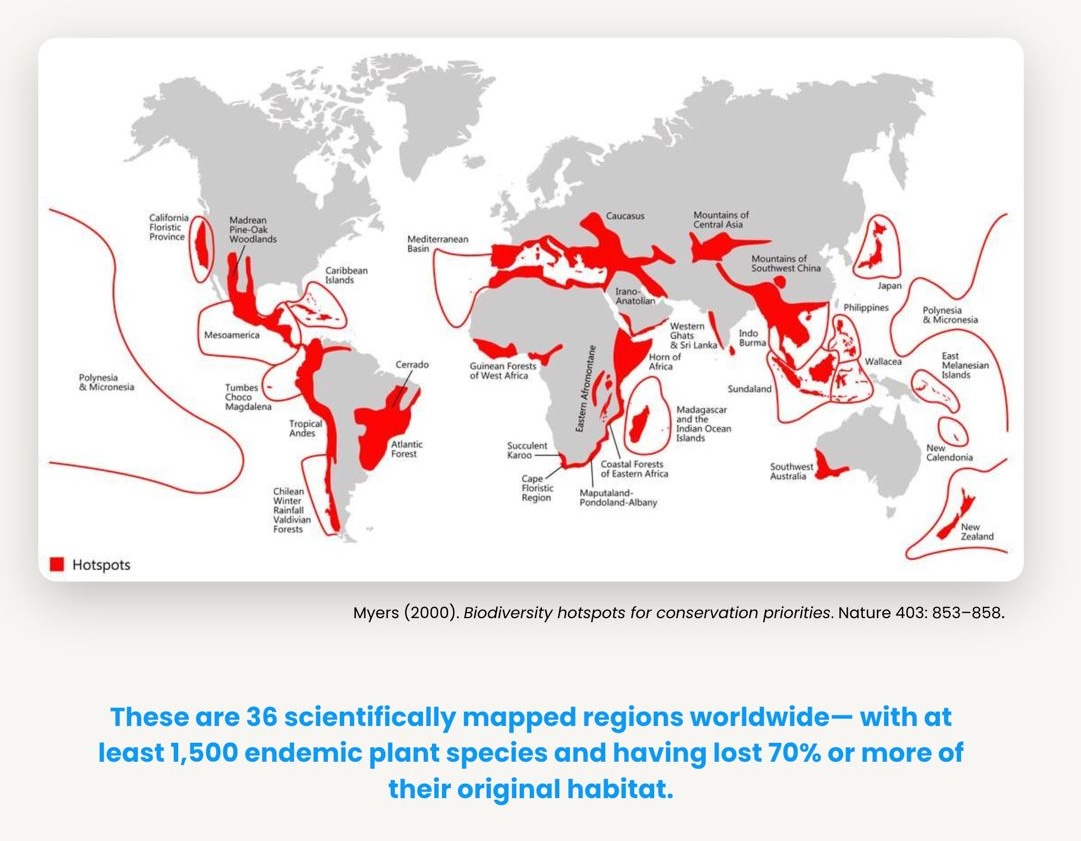
In our first three years, we have identified more than 800 successful women-led initiatives in biodiversity hotspots. We further supported 229 groups across the globe.
We wanted to really see what happened, so we studied a sample of 24 initiatives in 11 countries, and what we saw was both measurable and hopeful.
Women-led efforts protected species and forests, advanced regenerative agriculture, and strengthened continuity within communities. Their leadership created ripple effects — building durable relationships between people and with nature, and laying the groundwork for systemic change.
Follow the Hummingbird
There are extraordinary leaders at the forefront of protecting our planet. But the planetary crisis cannot be solved by a few alone. Each of us has a role.
The little hummingbird did not put out the fire alone. She chose to act, and her action inspired others to join. Change begins with willingness, not scale.
Use your voice. Your purchasing power. Your work. Your choices. Your care. In doing so, you help restore not only the planet, but your own connection to nature.
Our ask is simple: support women leaders on the frontlines of protecting and restoring nature around the world. Their work is transformative. Their leadership is essential. And their success is inseparable from the health of our planet and our shared future.
Follow the Hummingbird
There are extraordinary leaders at the forefront of protecting our planet. But the planetary crisis cannot be solved by a few alone. Each of us has a role.
The little hummingbird did not put out the fire alone. She chose to act, and her action inspired others to join. Change begins with willingness, not scale.
Use your voice. Your purchasing power. Your work. Your choices. Your care. In doing so, you help restore not only the planet, but your own connection to nature.
Our ask is simple: support women leaders on the frontlines of protecting and restoring nature around the world. Their work is transformative. Their leadership is essential. And their success is inseparable from the health of our planet and our shared future.